The Africa Entrepreneurial Ecosystem Index moves from working prototype to a peer-reviewed standard, paired with a new diagnostic dashboard.
On Friday 26 June 2026, the Allan Gray Centre for Africa Entrepreneurship (AGCAE), Utrecht University, and the Innovation for Policy Foundation (i4Policy) officially launched the updated Africa Entrepreneurial Ecosystem Index (AEEI).
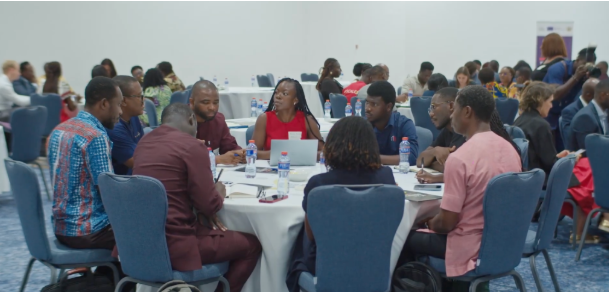
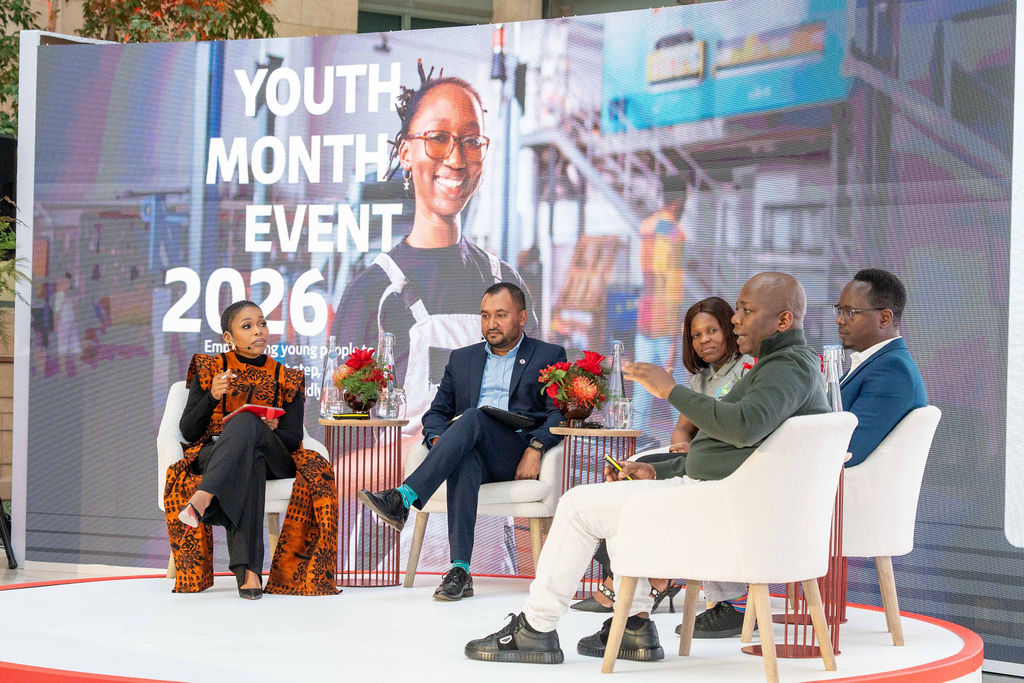
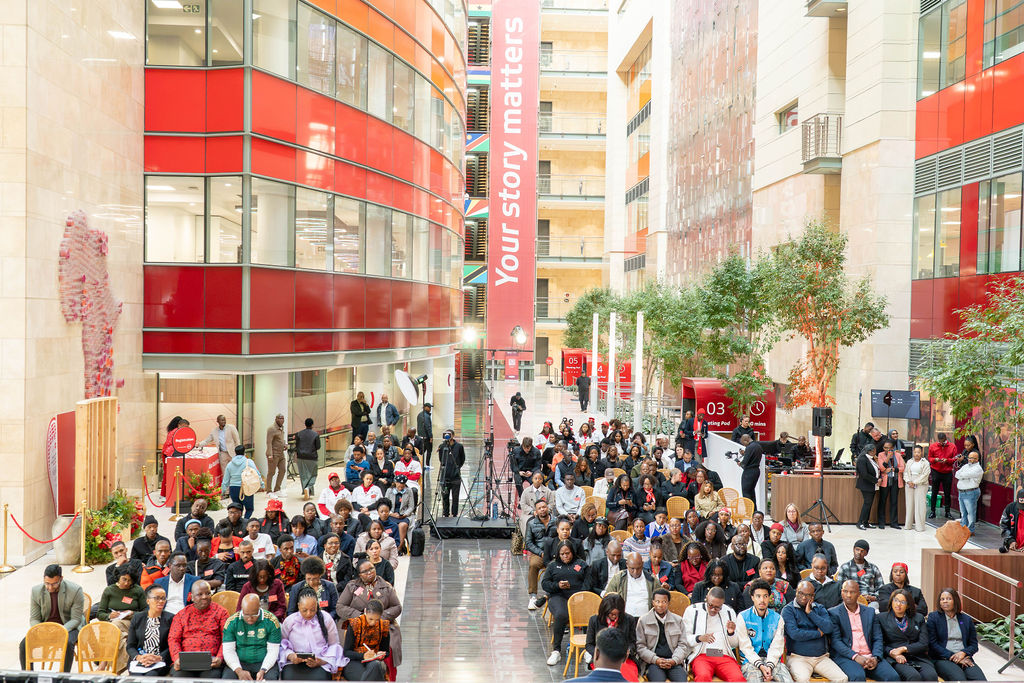
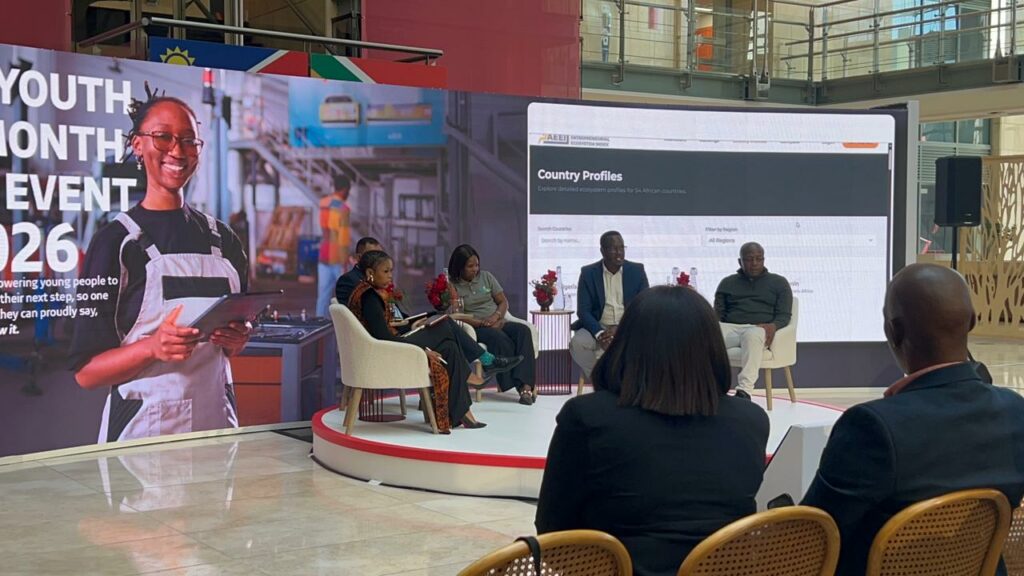
The announcement took place before a room of young changemakers, aspiring entrepreneurs, government officials, financiers and enterprise support organisations at the Absa Youth Month Event in Johannesburg, South Africa. Presented by Absa Group Limited Corporate Citizenship in partnership with AGCAE, this creative convening gathered youth entrepreneurs and vital ecosystem stakeholders to promote financial inclusion through entrepreneurship.
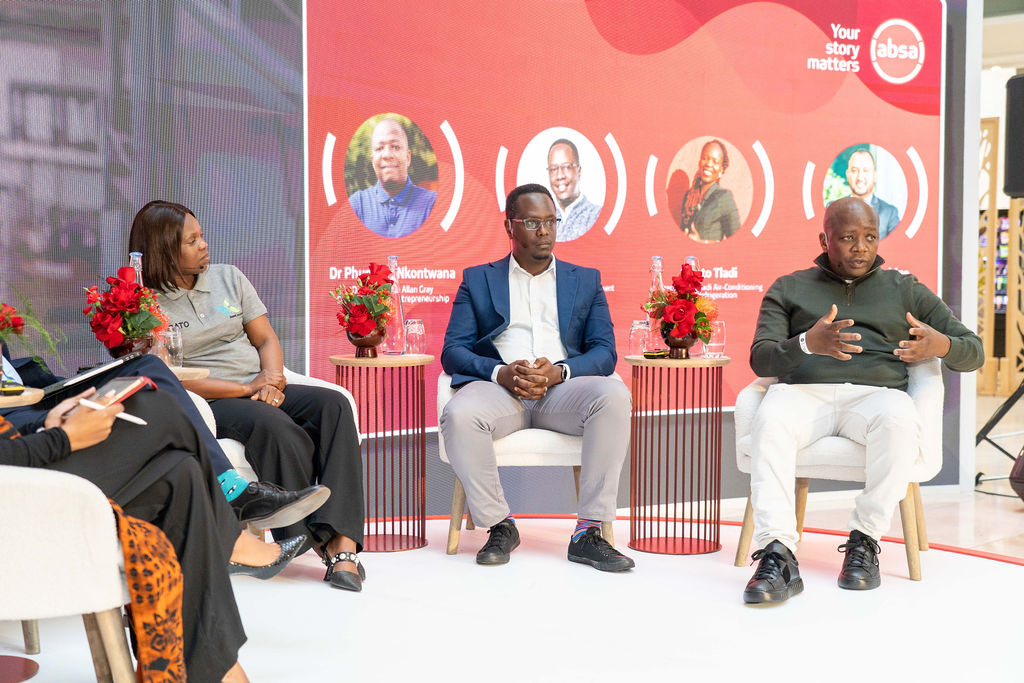
The very people the index is built to serve were the first to watch Dr Phumlani Nkontwana and Lincoln Njogu walk through the new AEEI 2026 dashboard. The energy in the room confirmed that the work had landed.

Here is what has changed.
From prototype to peer-reviewed standard
When the first AEEI appeared in 2024, we asked readers to treat the results with caution and called it a minimum viable product. The 2026 release sits on firmer ground.
Its methodology is now published in World Development, one of the leading peer-reviewed journals in the field. The paper constructs the index from 21 indicators across seven dimensions: governance, culture, finance, support, infrastructure, market access and human capital.
The study also shows that the AEEI predicts real-world entrepreneurial outcomes across African countries more accurately than GDP per capita does. What began as a conversation starter is now an evidence base that policymakers, investors and researchers can build on. And all are still invited to further refine and develop this important contribution to science, practice and policy.
Forget about the rankings
Mauritius is still number one. Good, now that I have your attention, you can forget about it.
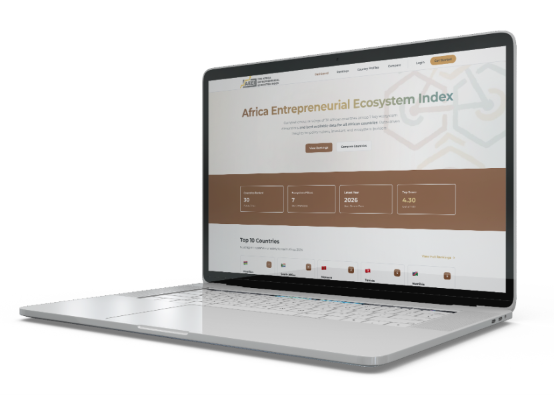
The real value of the index lies underneath the headline. The new dashboard is built to be interrogated. Users can set countries side by side, unpack any of the seven challenge areas, and drill down into the sub-indicators beneath them, travelling from a single overall score directly to the raw data points.
A ranking tells you where a country stands. A diagnostic tells you what to fix first.
By making every dimension and indicator inspectable, the AEEI becomes a policy instrument for targeting reform rather than a league table to argue over. It brings African ecosystem-builders closer to a shared, evidence-led starting point for resource allocation.
Notable movements in 2026
As data coverage expands, Mozambique enters the index in 25th place out of 30 countries. At the top of the table, the strongest performers hold their positions, a sign that the index is tracking something durable.
A few countries shift position, and the detail is where the value lies. Compared to the 2024 beta edition, The Gambia rises four places, while Nigeria moves down five. They follow, almost entirely, from sharper methodology and upgraded data sources. The Gambia’s upward trajectory was driven primarily by gains in human capital, specifically regarding R&D investments and life expectancy. Conversely, Nigeria’s ecosystem quality declined, largely as a result of diminished market access, particularly reflected in GDP and household income indicators.
Open by design
The full data file is available to download. Version 2.0 also includes a technical user manual documenting data sources, collection processes, indicator definitions and the methodological framework behind the index, ensuring the numbers can be understood, applied and reproduced with the full data file for version 2.0
Explore the dashboard, download the data, and tell us what you find at africa.ecosystem.build.
Reference: Stam, E., Nkontwana, P., McDonald, R., Murenzi, R., Addo, K. A., Bayuo, B., Baah, B., Riezebos, S., & Gelissen, T. (2026). Measuring national entrepreneurial ecosystems in Africa. World Development, 202, 107357. https://doi.org/10.1016/j.worlddev.2026.107357